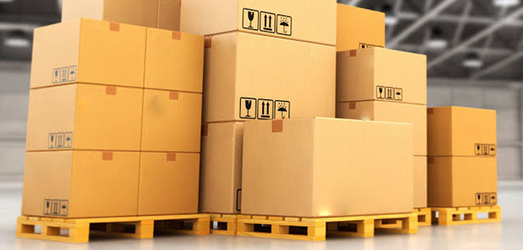


Moving house is expensive. By the time you've got the transport sorted and the new house all arranged, buying the boxes and the bubble wrap can seem like yet another bill you could do without.
It's so easy to buy too much. A few extra boxes, another roll of tape and a big pack of wrapping paper can quite quickly fill your basket. On the other hand, buying too little can leave you in the position of having to place another order right up until moving day.
If you're looking to cut down on your packing supplies costs, start with what you actually need to move. A bit of planning will help you to select the right boxes, make use of the stuff you already have, and avoid buying things you'll never actually use.
These simple tips will help you keep your packing budget under control while giving your belongings the care they need.
1. Clear Out Unwanted Items Before Buying Boxes
Before you go out and order your packing supplies, have a good look around your cupboards, your drawers and your shelves. There's no point in buying a box for something you don't actually want any more.
Start with a small area, e.g. a kitchen drawer or a wardrobe shelf. Set aside anything you can sell, donate, or recycle. Get rid of the broken and unwanted items prior to you even starting to pack, rather than taking them to your new home.
This also gives you a much clearer idea of how much you actually own. A cupboard that looked like it needed three boxes in it might only need one after a good clear-out.
Leave enough time to pass things on. Otherwise, your donation pile may end up traveling with you.
2. Make a Packing List for Each Room
It's often the case that if you're guessing how many supplies you'll need, you end up with an over-order. The better approach is to just walk through the house and write down what you need to pack in each room.
You don't need to count every spoon. Look at groups of items (books, plates, clothes, bedding, etc.). Note anything that requires a bit of extra care or is in an oddly shaped box.
A simple list might include:
- Small boxes for books and other heavy items.
- Medium boxes for general household belongings.
- Larger boxes for light, bulky items.
- Wrapping materials for glassware and ornaments.
- Packing tape and a marker pen.
Keep that list with you when you're shopping. It makes it a lot easier to justify why each item is in your basket.
3. Check What You Already Have
Before you go out and buy the new materials, see what you can scrounge up in your own home. You may well have boxes from the last delivery or some leftover packing paper/wrapping from the move a while back.
Check it all out. The reusable box should be clean and dry, with solid sides and a base that will properly close. Set aside anything with torn corners, crushed panels, or the slightest sign of damp.
Remove the old delivery labels and have a quick check inside for any staples or anything else that might scratch your stuff.
Sort your supplies into one place so you can see what's available. It's a real pain finding a roll of tape you've forgotten about after you've ordered another one. It's very frustrating, and you really don't want to be in that position when you're trying to keep the cost down.
4. Use Free Boxes Where They Make Sense
Free boxes can be useful, especially for light goods. See if any friends or family have any clean boxes lying around from a recent move or delivery.
Be selective about what you take. A box that carried light goods may be unsuitable for a collection of books. Boxes with missing lids or weak bases can also create extra work and use up more tape.
Avoid spending days collecting boxes you cannot use. Travel, time, and repeated trips can make a free option less practical than it first appears.
You can mix re-used boxes with new packing boxes, selecting each one according to its condition and what you're putting in.
5. Choose the Right Box Size
A big box may seem like a good value as it contains more. It can, however, become very awkward to move if it's full of heavy goods, or if it's only containing a small item, then you've got all that empty space which will need to be filled with cushioning.
Use smaller boxes for the dense items (books, etc.). Use the larger boxes for the lighter items (duvets, pillows, soft toys, etc.).
Think about the shape of your items as well. A box should allow for all the protection you need without leaving a huge empty gap all around.
Check the dimensions prior to ordering rather than just going on the labels of medium and large, etc. A useful mix of sizes will help you to avoid buying extra boxes and extra filling.
6. Match Box Strength to the Contents
You don't need the same type of box for every item in your home.
Light goods will be perfectly happy in a single-walled box; heavier or more fragile goods may require the added strength of a double-walled box. Always check the product info and any stated weight limits before packing.
Stronger cardboard does not remove the need for careful wrapping, and no box should be overloaded. Spread heavy belongings across manageable loads.
This is a useful place to be selective with your budget. Spend on strength where it serves a purpose, then choose a suitable lower-cost option for lighter contents. Buying every box at the lowest price can be poor value if it does not suit the job.
7. Compare Moving Packs With Separate Items
A move pack can make shopping a lot easier, but you should always check the contents before you decide if it's actually worth it for your move.
Look at the number of boxes, their sizes, and their construction. Then check which other supplies are included. Compare that with the total cost of buying the items you actually need separately.
Your belongings matter more than the number of bedrooms alone. Two homes of the same size can have very different amounts to pack.
Browse the moving packs and use your room list to compare the options. If you already have a good number of boxes, then a smaller order of individual items may well be the way to go.
8. Use Household Fabrics Carefully
Clean towels, tea towels and other soft fabrics can provide useful cushioning for some belongings. Since you are taking them with you anyway, using them during packing may reduce the amount of loose filling you need.
For instance, a folded towel can be used to fill a gap around an item that's already been protected. Keep the fabrics clean and dry, and avoid anything with zips, buttons, or any sort of roughness that could potentially mark the surface.
Don't assume a towel will be sufficient protection for every delicate object. Delicate glass, thin handles, and valuable finishes may all require a higher level of protection.
Also, keep your first-night towels separate. You will want to find them without opening several kitchen boxes.
9. Save Bubble Wrap for Items That Need It
Nothing really needs bubble wrap. Bedding, folded clothes, and the like generally don't.
Set aside your breakable items first. This helps you judge where cushioning is useful and how much you need to buy.
Wrap the more delicate items individually and be very mindful of any edges, handles, etc. that could be damaged. Use appropriate filling to stop the wrapped items from moving about inside the box, without of course forcing the lid shut.
Check the width and length when you're comparing bubble wrap. A cheaper roll may well have less material in it, so the price on its own doesn't necessarily equate to better value.
10. Avoid Wasting Tape
Wrapping tape around a weak box again and again does not make it a suitable moving box. Start with sound cardboard and use packing tape intended for sealing cartons.
Follow the box assembly instructions where provided. Apply tape to clean, dry surfaces and smooth it down firmly so it makes proper contact.
Before sealing a box, check that it closes without bulging. If you need to pull the flaps together, move some contents into another box.
Keep your tape and scissors in one place during packing. It's surprisingly easy to buy another roll as the first one just disappears under a pile of clothes. Always check your packing accessories list before you go ahead and order replacements.
11. Check the Full Cost Before Ordering
Affordable packing supplies can become more expensive once delivery and unnecessary extras are added.
Before you pay, check the total in the full basket. Check the delivery charge, the pack quantities, the pack dimensions, and whether VAT is included. Make sure you know whether the price you've been given is for one item or for several.
Bulk buying can lower the cost per item, but only if you will use the extra supplies. Ten spare boxes are still an expense if you need only two.
Try to organize one planned order rather than several rushed purchases. Order early enough to inspect the supplies and start packing, allowing time to deal with any missing items before your moving date.
12. Pack a Test Box Before Preparing the Rest
Before assembling every box, try packing one with a typical group of belongings.
A test box will tell you whether the size is right, whether you've got enough wrapping material, and whether the finished load is going to be manageable. You might find that your books need smaller boxes or that your ornaments need more padding than you originally thought.
Make your adjustments while you still have all your other supplies unopened. It's far easier to alter your approach now than it is to go back and re-seal several boxes later on.
Label the top and one side with the room and a brief description of the contents. Clear labeling will help you to keep track of what's in the pack and will also stop you from buying duplicates because you can't find what you're after.
A Simple Packing Budget Checklist
Before placing your order, take a few minutes to check these points:
- Have you removed the things you do not want to move?
- Have you counted the usable supplies you already own?
- Do your box sizes suit your belongings?
- Have you checked which items need extra protection?
- Have you compared a moving pack with separate supplies?
- Does your total include delivery and VAT?
- Are the extra quantities something you will actually use?
If you are unsure about an item in your basket, connect it to a specific packing task. Knowing which cupboard or group of belongings it is for makes the decision much easier.
Common Questions About Saving on Packing Supplies
Is it cheaper to buy a moving pack?
It can be (it depends on the contents and what you already have). The bundle is of any use at all only if the items included are the ones you actually need for your move. You can always compare the pack price against the cost of buying the individual items you require separately.
Can I use old delivery boxes for moving?
Yes, if they're clean, dry, undamaged, and appropriate for the contents. Check the base, the corners and the seams. If the card feels soft or the box looks weak in any way, then use another box.
How much should I spend on packing supplies?
There is no single amount that suits every move. Your budget depends on how much you own, how much protection your belongings need, and what materials you can reuse. Make a room list first, then price the supplies on that list.
Which packing supplies should I buy first?
Begin with the appropriate boxes, packing tape, and protection for your fragile bits. A marker pen is very useful for labeling. Add in the specialist goods when you've definitely got a requirement for them.
Spend Less by Buying What Your Move Needs
Keeping packing costs down starts before you even go shopping. Get rid of the stuff you don't need, check your existing supplies, and work out exactly what boxes and materials each room is going to need.
Then spend your budget where it makes the most difference, avoiding the temptation of over-ordering and last-minute buys.
Ready to put your list together? Explore Packing Solution’s moving packs and compare the contents with your own packing needs. A few careful choices now can leave you with less waste, fewer unused supplies, and one less moving cost to worry about.